
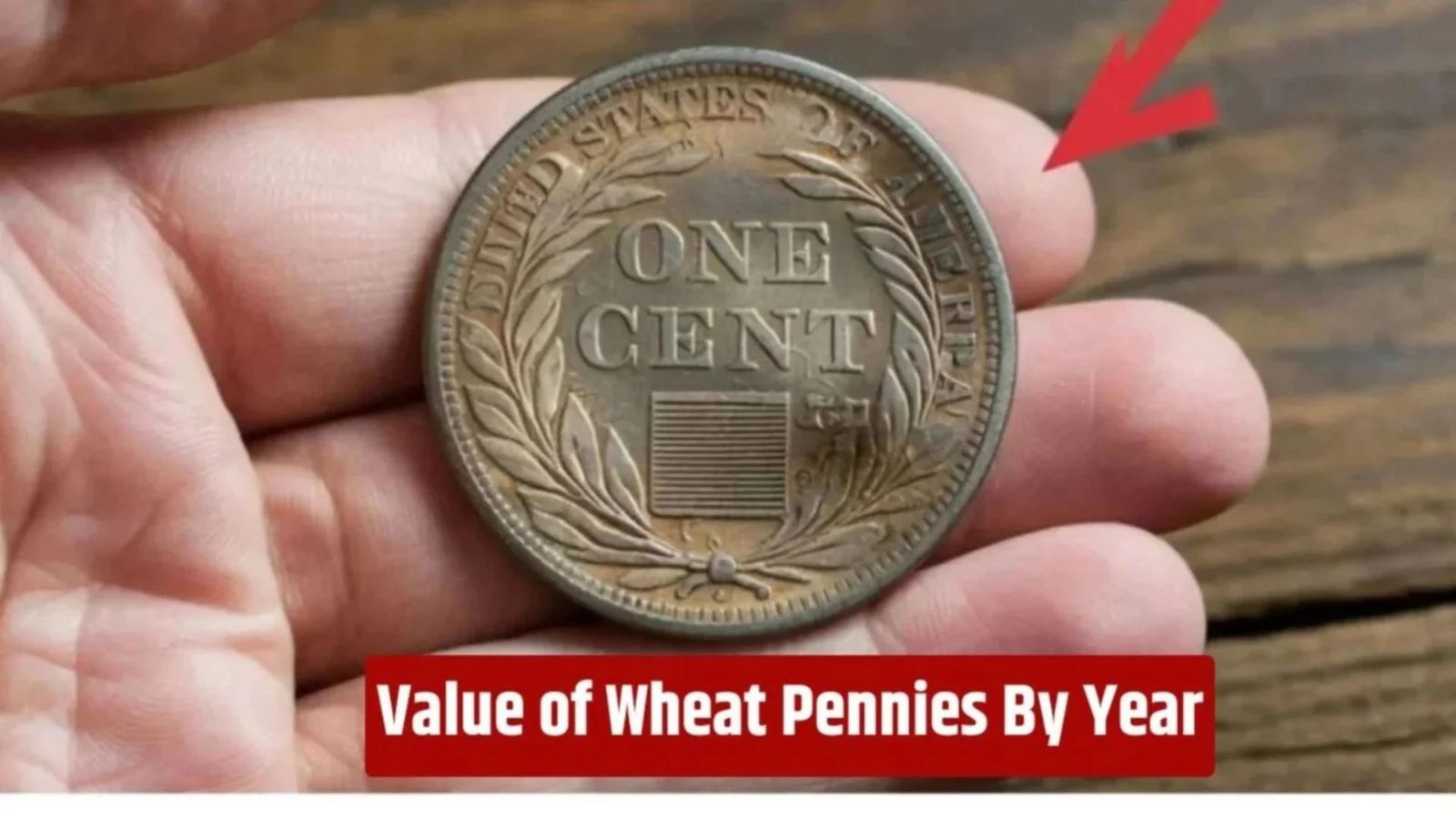
What if that old Wheat Penny sitting in your drawer is worth more than you think? For decades, these small copper coins have sparked curiosity, turning ordinary pocket change into hidden treasures. But what makes some worth just a few cents — while others fetch thousands? Let’s dig into the mystery behind Wheat Penny values by year and uncover which ones collectors are hunting for today.
What Are Wheat Pennies?
The Wheat Penny, officially known as the Lincoln Wheat Cent, was minted from 1909 to 1958. It features Abraham Lincoln on the front and two stalks of wheat on the reverse — a design that symbolizes prosperity. These coins were made primarily of copper, but subtle variations in minting, composition, and condition make certain years exceptionally valuable.
The Fascinating History of the Wheat Penny
The Wheat Penny was introduced in 1909 to celebrate Lincoln’s 100th birthday, designed by Victor D. Brenner. The coin quickly became iconic, but controversy arose over Brenner’s initials “V.D.B.” on the reverse, leading to limited production of the 1909-S VDB Wheat Penny — now one of the most valuable coins in the series. During World War II, in 1943, the US Mint switched to steel due to copper shortages, creating another legendary rarity — the 1943 Copper Wheat Penny.
Why Wheat Pennies Are Valuable Today
Collectors prize Wheat Pennies for their age, design, and historical significance. Certain years had low mintages or unique errors that make them rare. High-grade uncirculated examples are especially sought after, with prices soaring at auctions. Even common dates can carry a premium if they’re well preserved.
Most Valuable Wheat Pennies by Year
| Year | Mint Mark | Notable Feature | Estimated Value (in Fine Condition) | Estimated Value (Uncirculated) |
|---|---|---|---|---|
| 1909-S VDB | San Francisco | Designer initials, low mintage | $700+ | $2,000–$3,000+ |
| 1914-D | Denver | Key rarity | $200+ | $2,500–$4,000+ |
| 1922 No D | Denver | Missing mint mark | $250+ | $1,500+ |
| 1931-S | San Francisco | Low production | $100+ | $300–$600 |
| 1943 Copper | Philadelphia | Minted on wrong metal | $100,000+ | $1M+ |
| 1944 Steel | Multiple | Wrong metal transition | $75,000+ | $500,000+ |
| 1955 Doubled Die | Philadelphia | Error on inscriptions | $1,000+ | $15,000+ |
| 1958 Doubled Die | Philadelphia | Extremely rare | $30,000+ | $150,000+ |
How to Identify a Valuable Wheat Penny
Even beginners can start identifying rare Wheat Pennies with a bit of patience. Look for mint marks (D for Denver, S for San Francisco, and no mark for Philadelphia). Check for errors like doubling, missing letters, or odd coloration. Coins in pristine, uncirculated condition always attract higher values.
Wheat Penny Metal Composition Changes
| Years | Material | Notable Notes |
|---|---|---|
| 1909–1942 | 95% Copper, 5% Tin and Zinc | Traditional alloy |
| 1943 | Zinc-coated Steel | Wartime issue, magnetic |
| 1944–1958 | 95% Copper, 5% Zinc | Post-war return to copper |
| These subtle material shifts not only impacted durability but also gave rise to famous minting errors now worth thousands. |
Expert Tips for Collectors
- Start with rolls from banks or estate sales — You might find unsearched Wheat Pennies.
- Invest in coin albums to organize by year and mint mark.
- Get coins graded by professional services like PCGS or NGC to verify authenticity.
- Handle with gloves — natural oils can reduce the value of high-grade coins.
- Watch for fakes, especially of the 1909-S VDB and 1955 Doubled Die varieties.
Frequently Asked Questions
Q: Are Wheat Pennies still found in circulation?
A: Rarely, but they do occasionally appear in loose change or old jars.
Q: What year of Wheat Penny is the most valuable?
A: The 1943 Copper Wheat Penny and 1944 Steel Penny top the list, often valued in the six-figure range.
Q: How can I tell if my 1943 penny is steel or copper?
A: Try a magnet test — steel pennies stick to magnets, copper ones don’t.
Q: Should I clean my Wheat Pennies?
A: Never. Cleaning can damage the surface and drastically reduce value.
Conclusion: A Small Coin with Big Surprises
The Wheat Penny series tells a story of American history — from wartime shortages to artistic design. Whether you’re a beginner or a seasoned numismatist, studying Wheat Penny values by year can uncover fascinating details and possibly even life-changing finds. So before you spend that old penny, take a second look — it might be worth far more than one cent.