
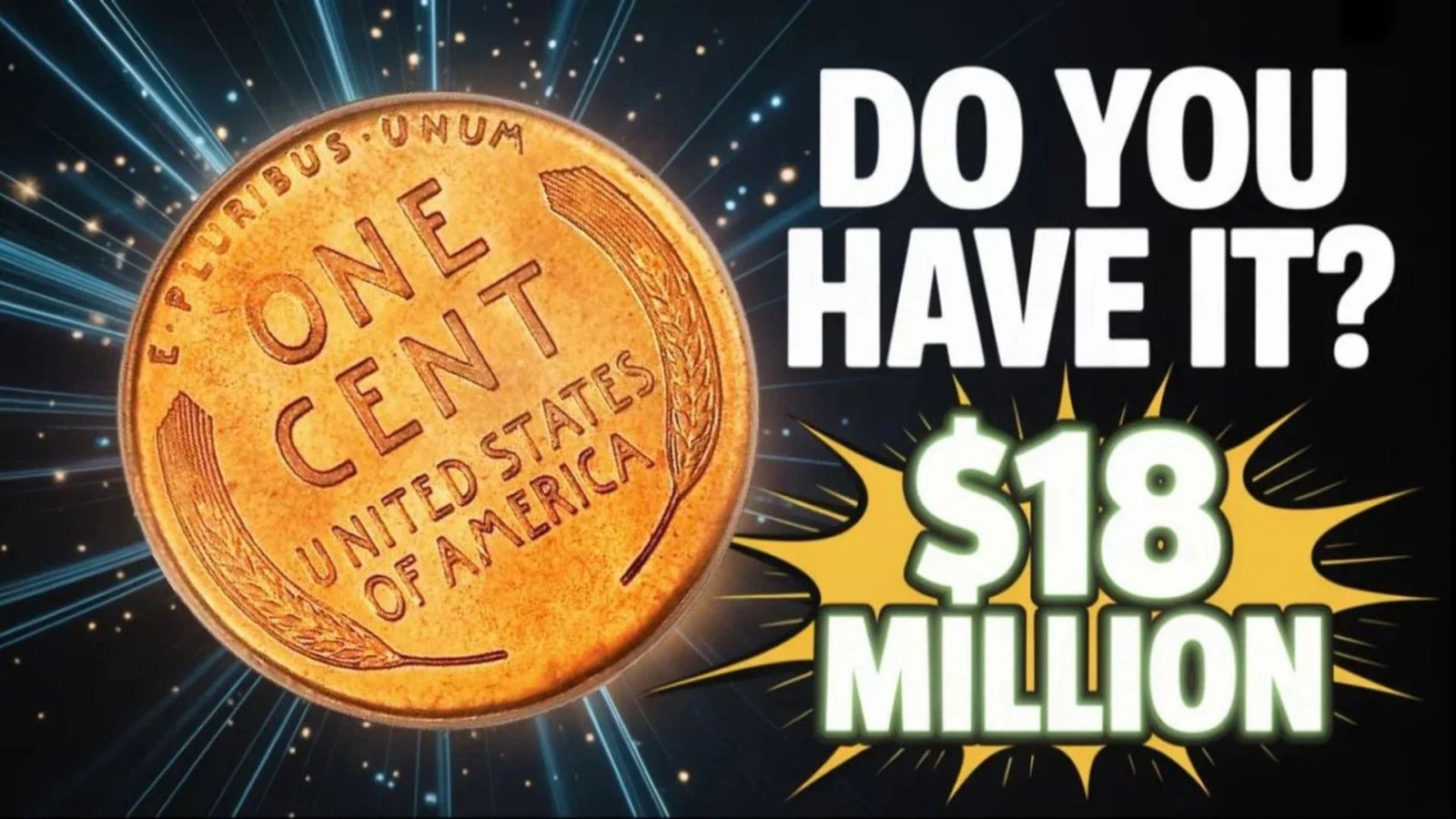
Every coin collector knows the thrill of discovering a Wheat Penny tucked inside an old jar or inherited collection. But few realize just how much these humble coins have transformed in value over the past decade. Some that were once worth mere cents now command hundreds—or even thousands—of dollars. So what changed? Let’s uncover how Wheat Penny values have evolved, which ones to look out for, and what makes them so special today.
What Are Wheat Pennies?
The Wheat Penny, officially known as the Lincoln Wheat Cent, was minted from 1909 to 1958. It gets its name from the iconic reverse design featuring two wheat stalks framing the words “ONE CENT.” These coins were made mostly of copper and became symbols of early 20th-century American craftsmanship. While billions were minted, not all Wheat Pennies are equal in value—rarity, condition, and mint marks can make all the difference.
The History Behind Wheat Pennies
Introduced to honor President Abraham Lincoln’s 100th birthday, the 1909 Wheat Penny was a groundbreaking design by Victor D. Brenner. Initially, it featured the artist’s initials “V.D.B.” on the reverse, but controversy led to their removal after only a short run. That small design change turned the 1909-S VDB Wheat Penny into one of the most coveted coins in U.S. history. Over time, special mint errors and wartime metal shortages produced some of the most valuable coins ever found in circulation.
How Wheat Penny Values Have Changed in 10 Years
Over the last decade, Wheat Penny prices have steadily increased, fueled by rising interest in coin collecting and a limited supply of high-grade examples. In 2015, most common Wheat Pennies sold for around 5–10 cents each. By 2025, those same coins can fetch 25–50 cents, while rare dates and errors now sell for thousands. The most dramatic growth has been in coins certified by grading services like PCGS or NGC, where condition boosts value exponentially.
Wheat Penny Value Growth (2015–2025)
| Coin Type | Average Value (2015) | Average Value (2025) | % Increase |
|---|---|---|---|
| Common Date (1940–1958) | $0.10 | $0.40 | +300% |
| 1909-S VDB | $1,000 | $2,800 | +180% |
| 1914-D | $250 | $800 | +220% |
| 1922 No D | $450 | $1,500 | +233% |
| 1955 Doubled Die | $1,500 | $3,800 | +153% |
Why Wheat Pennies Are Valuable Today
The secret to a Wheat Penny’s value lies in rarity, historical appeal, and condition. Coins with low mintage or unique errors attract intense collector interest. The 1943 copper penny, for example, was struck in error during WWII when the U.S. used steel for coins—only a few survived. Some have sold for over $200,000. Modern collectors see Wheat Pennies not just as coins but as tangible pieces of American history.
Factors That Influence Wheat Penny Prices
| Factor | Description | Impact on Value |
|---|---|---|
| Mint Mark | Location of mint (S, D, no mark) | Major |
| Condition | Graded from Good (G) to Mint State (MS) | Major |
| Rarity | Fewer minted = higher value | High |
| Historical Significance | Special years or events | Medium |
| Errors | Doubled dies, missing letters, etc. | Very High |
Expert Tips for Collectors
- Check mint marks carefully—the “S” (San Francisco) and “D” (Denver) versions can be far rarer than Philadelphia mints.
- Inspect for doubling or die cracks—these minting errors can multiply value.
- Preserve condition—store Wheat Pennies in a dry, airtight holder. Cleaning coins can destroy their worth.
- Get coins graded—professional certification increases buyer confidence and selling prices.
- Track market trends—Wheat Penny values fluctuate with collector demand, making timing key.
Frequently Asked Questions
Q: Are all Wheat Pennies valuable?
A: No, most are worth only a few cents, but rare dates and mint errors can reach thousands of dollars.
Q: What is the most valuable Wheat Penny?
A: The 1943 copper Wheat Penny is the holy grail, valued up to $250,000+ in pristine condition.
Q: Should I clean my Wheat Pennies?
A: Never. Cleaning can reduce a coin’s grade and drastically lower its value.
Q: Where can I sell valuable Wheat Pennies?
A: Reputable dealers, coin shows, or certified online marketplaces like Heritage Auctions are best.
Conclusion: A Decade of Growth and Discovery
Over the past 10 years, Wheat Pennies have proven that small coins can hold enormous value. Whether you’re a seasoned collector or a curious beginner, these coins offer a glimpse into America’s past—and a potential investment in your future. Keep an eye on your change; the next valuable Wheat Penny might be hiding in plain sight.