
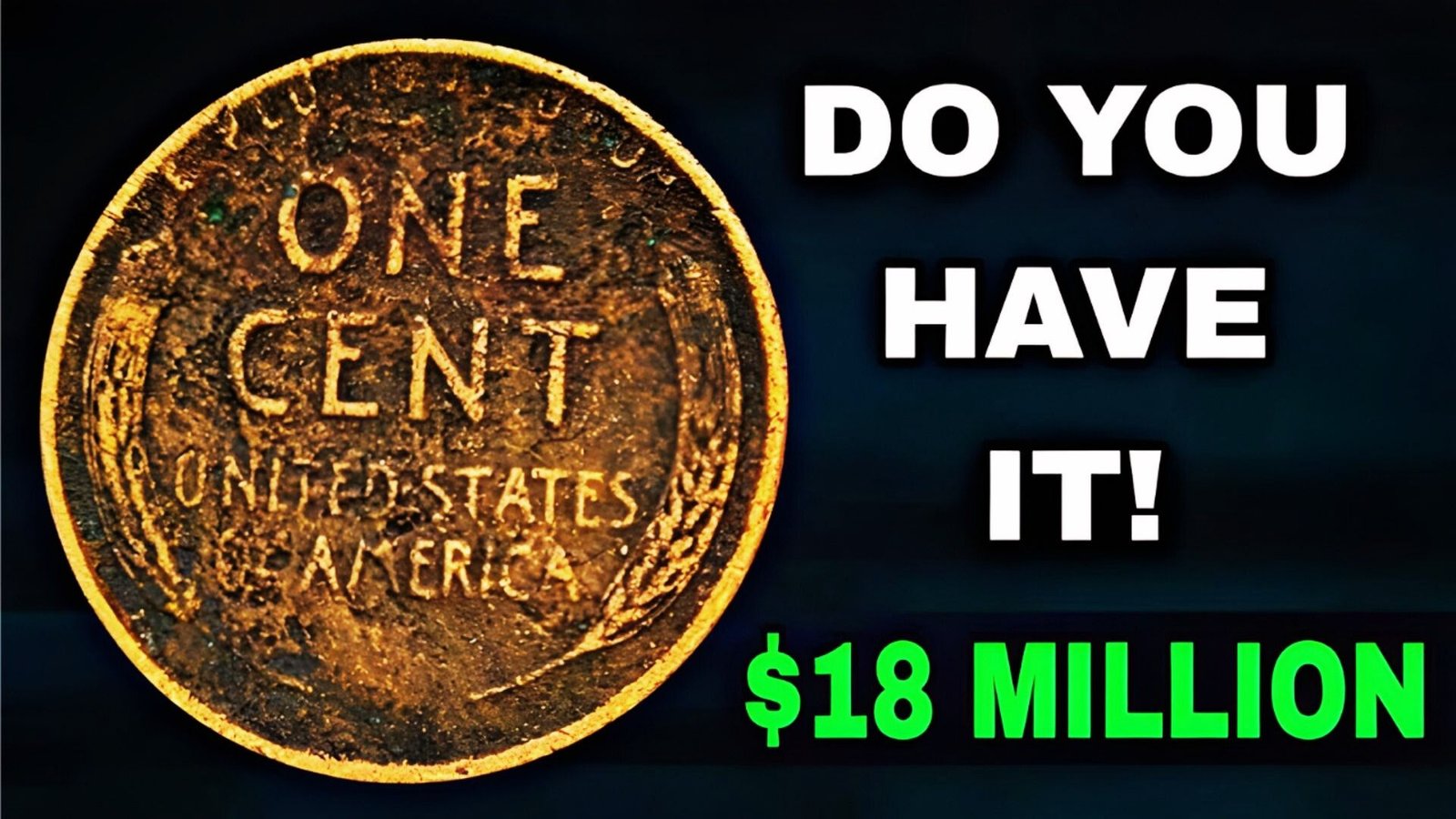
Every coin tells a story, but Wheat Pennies whisper the secrets of American history. For over a century, these small copper treasures have fascinated collectors with their charm, scarcity, and surprising value. But over the past 11 years, something remarkable has happened—the value of Wheat Pennies has shifted in unexpected ways. Let’s uncover what made these once-common coins worth a collector’s dream today.
What Are Wheat Pennies?
Wheat Pennies, officially known as Lincoln Wheat Cents, were minted from 1909 to 1958. They feature Abraham Lincoln on the front and two wheat stalks on the reverse—a design that gave them their nickname. What makes them special is not just their age but the hidden details that turn an ordinary penny into a collectible gem worth hundreds or even thousands.
A Brief History of the Wheat Penny
Introduced to honor Lincoln’s 100th birthday, the 1909 Wheat Penny became the first US coin to feature a real person. The early versions carried the initials V.D.B., referring to designer Victor David Brenner. However, due to controversy, those initials were quickly removed—making the 1909-S VDB Penny one of the most sought-after coins in US history.
How Wheat Penny Values Have Changed (2014–2025)
Over the past decade, Wheat Penny values have fluctuated based on demand, metal prices, and collector trends. Certain key dates, mintmarks, and errors have seen dramatic price increases. Here’s how their value has evolved over time:
Average Wheat Penny Value Trend (2014–2025)
| Year | Average Circulated Value | Average Uncirculated Value | Market Trend |
|---|---|---|---|
| 2014 | $0.10 | $1.00 | Stable |
| 2016 | $0.12 | $1.50 | Slight Rise |
| 2018 | $0.15 | $2.00 | Steady Growth |
| 2020 | $0.20 | $2.50 | High Demand |
| 2022 | $0.25 | $3.00 | Bull Market |
| 2025 | $0.30–$0.40 | $4.00+ | Strong Value |
| Over the years, the Wheat Penny market has thrived due to renewed collector interest and media attention on rare coin finds. Even common pennies now attract attention when they’re in pristine condition or contain unique mint errors. |
Why Wheat Pennies Are Valuable Today
Not all Wheat Pennies are rare—but some are priceless. Coins with low mintage years, special mintmarks, or production errors have skyrocketed in value. For instance, the 1943 Copper Penny, mistakenly struck on bronze instead of steel, can sell for over $100,000. Likewise, the 1914-D and 1922 No D Pennies command premium prices because of their scarcity.
Top Valuable Wheat Pennies (Current Market)
| Coin | Mint Year | Special Feature | Approx. Value |
|---|---|---|---|
| 1909-S VDB | 1909 | Designer initials | $800–$1,500 |
| 1914-D | 1914 | Low mintage | $400–$1,200 |
| 1922 No D | 1922 | Minting error | $500–$2,000 |
| 1943 Copper | 1943 | Wrong metal | $100,000+ |
| 1955 Doubled Die | 1955 | Double strike | $2,000–$15,000 |
What Drives the Value?
The worth of a Wheat Penny depends on three main factors:
- Condition: Coins graded “Mint State” by PCGS or NGC fetch far higher prices.
- Rarity: Low mintage years or error coins dramatically increase desirability.
- Historical Appeal: Older coins or those tied to specific eras (like World War II) often gain collector traction.
Expert Insights: Where to Find Hidden Gems
Coin experts suggest starting with roll hunting—searching bank rolls for older pennies—or checking inherited collections. Using a magnifier, collectors look for doubled dies, misaligned strikes, or missing mintmarks that can turn a penny into a prize. For serious collectors, attending coin shows or online auctions is key to spotting undervalued pieces before prices rise.
Common Questions About Wheat Pennies
Q: Are all Wheat Pennies valuable?
A: No, most are worth only a few cents unless they’re in exceptional condition or have rare errors.
Q: What’s the most valuable Wheat Penny?
A: The 1943 Copper Penny holds the record, often selling for six figures at auction.
Q: Can modern pennies still become valuable?
A: Yes—unique errors or low-mintage issues can make even modern coins collectible in the future.
Why Collectors Still Chase Wheat Pennies
There’s something magical about holding a Wheat Penny—a tiny relic from America’s past that might be worth more than it seems. Whether it’s the thrill of discovery or the potential for profit, collectors continue to dream of finding that one coin that changes everything.
Conclusion: The Copper Dream Lives On
From 1909 to 1958, Wheat Pennies symbolized a golden age of coin design and craftsmanship. Over the last 11 years, their values have reflected America’s growing passion for coin collecting. Whether you’re a novice treasure hunter or a seasoned collector, one thing’s clear—the Wheat Penny remains a timeless piece of American history that still holds its shine.