
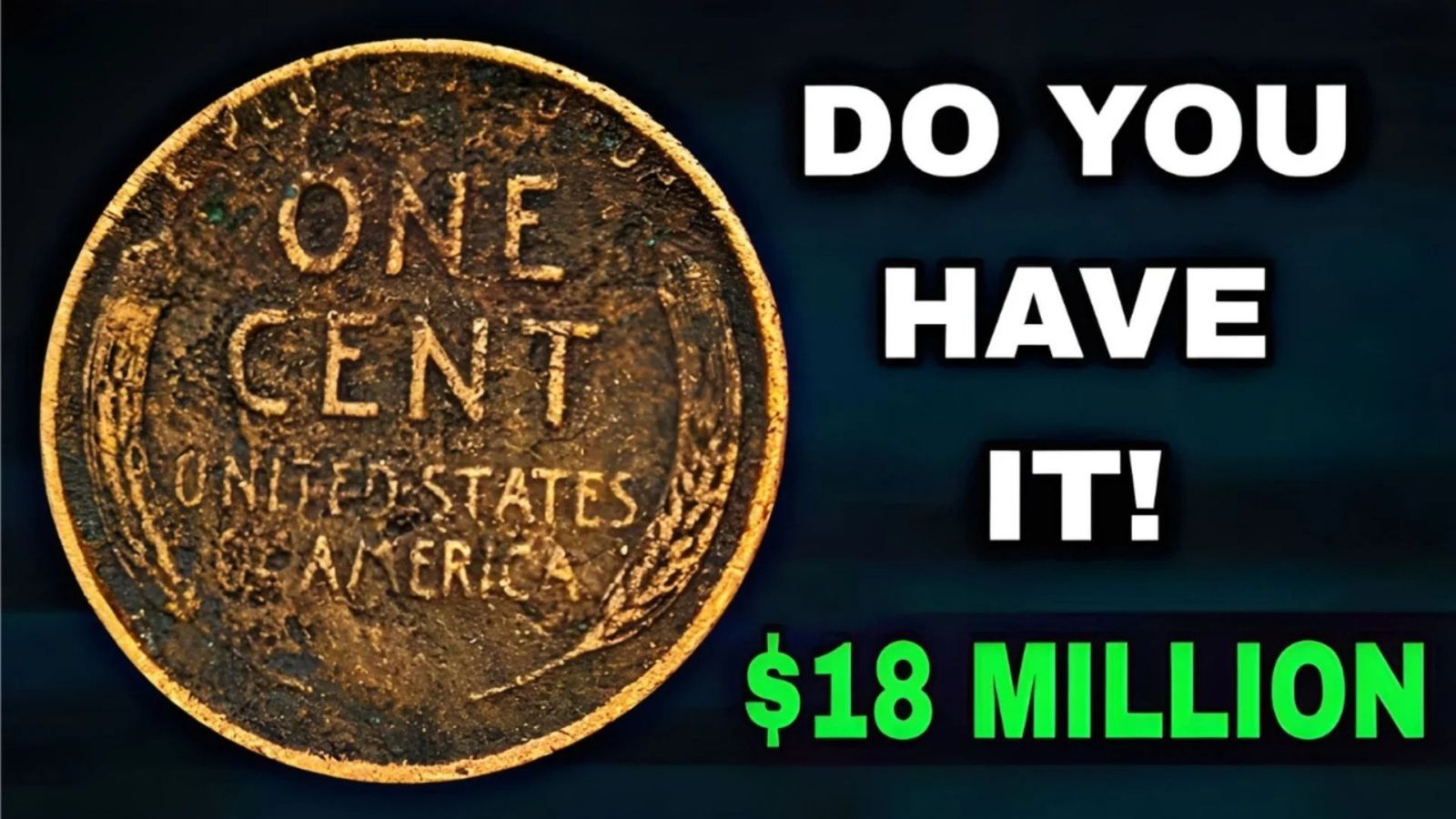
Every coin collector dreams of discovering a simple Wheat Penny worth far more than one cent. But what if you’ve already handled one without realizing it? Over the last decade, the humble Wheat Penny has become a hidden treasure in the world of numismatics, with some coins fetching hundreds—or even thousands—of dollars. This guide unravels how values have evolved over the past 11 years and why collectors still chase these little copper legends.
What Are Wheat Pennies?
Wheat Pennies, officially known as Lincoln Wheat Cents, were minted between 1909 and 1958. Their distinctive reverse side shows two stalks of wheat, symbolizing prosperity. While most were made of copper, certain years and errors—like the 1943 steel penny or 1955 doubled die—turned ordinary change into collector gold.
A Brief History of the Wheat Penny
The Lincoln Wheat Cent was first minted in 1909 to celebrate Abraham Lincoln’s 100th birthday, making it the first US coin to feature a real person. Designed by Victor David Brenner, it replaced the Indian Head Cent and quickly became one of the most beloved coins in American history. But as the decades passed, metal shortages, minting changes, and production errors gave rise to rare variations that continue to spark excitement today.
Why Wheat Pennies Are Still Valuable
Wheat Pennies hold value for three main reasons: rarity, condition, and demand. Collectors seek coins with unique characteristics, such as minting errors or low production years. Over the past 11 years, rising interest in coin collecting and online trading has fueled prices dramatically. Some pennies once worth only face value now command hundreds of dollars, especially when certified by grading companies like PCGS or NGC.
Wheat Penny Value Trends (2014–2025)
| Year | Average Common Value | High-Grade Collector Value | Notable Sale Example |
|---|---|---|---|
| 2014 | $0.05–$1.00 | $50+ | 1914-D sold for $2,500 |
| 2016 | $0.10–$1.50 | $75+ | 1922 No D sold for $10,000 |
| 2018 | $0.10–$2.00 | $100+ | 1955 Doubled Die hit $14,000 |
| 2020 | $0.15–$3.00 | $125+ | 1909-S VDB auctioned for $22,000 |
| 2023 | $0.25–$5.00 | $200+ | 1943 Copper Penny exceeded $100,000 |
| 2025 | $0.30–$6.00 | $250+ | Key date prices climbing |
| Over the last decade, the value of high-quality and error Wheat Pennies has surged due to limited supply and the booming collector market. The biggest jumps were seen between 2018 and 2023, when numismatic interest soared online. |
Top 5 Most Valuable Wheat Pennies (2025 Update)
| Coin Year & Mint | Type | Estimated Value (High Grade) |
|---|---|---|
| 1909-S VDB | Key date, first year issue | $1,000–$20,000 |
| 1914-D | Rare Denver mint issue | $2,500–$25,000 |
| 1922 No D | Mint error, missing mint mark | $8,000–$30,000 |
| 1943 Copper Penny | Minted on wrong metal | $100,000+ |
| 1955 Doubled Die | Iconic double strike error | $10,000–$15,000 |
| These coins are considered the crown jewels of the Wheat Penny series. If you happen to find one, its worth could far exceed its one-cent face value. |
How to Identify Valuable Wheat Pennies
Look closely at dates, mintmarks, and design details. Rare coins often show differences like missing letters, double impressions, or odd metal tones. Keep an eye out for the 1909-S VDB, 1943 Copper, and 1955 Doubled Die pennies—they’re the dream finds of any coin hunter.
Expert Tips for Collectors
1. Always check your change: Surprising finds still show up in circulation.
2. Learn to spot fakes: Counterfeit rare pennies are common—stick to certified dealers.
3. Condition is king: A coin’s grade can multiply its value by tenfold.
4. Store coins properly: Use protective holders to prevent oxidation.
5. Watch the market: Coin values fluctuate with collector demand and auction activity.
Frequently Asked Questions
Q: Are Wheat Pennies still in circulation?
A: Rarely, but they occasionally appear in rolls and jars of old coins.
Q: What makes a Wheat Penny valuable?
A: Key dates, mint errors, rarity, and pristine condition.
Q: Should I clean my old pennies?
A: Never. Cleaning can destroy natural patina and significantly reduce value.
The Changing Market for Wheat Pennies
The past 11 years have seen a fascinating evolution in Wheat Penny values. With online auctions, grading certifications, and social media coin groups, even casual collectors are entering the market. The demand for genuine, unaltered coins has skyrocketed, pushing prices to record highs for key dates.
Conclusion: The Hidden Fortune in Your Pocket
Wheat Pennies may seem ordinary, but their value history proves otherwise. From the early 1909-S VDB to the legendary 1943 Copper Penny, these coins are tangible pieces of American history—and potential goldmines for collectors. Check your jars, drawers, or old piggy banks. Your next penny could be worth more than your dreams imagine.